Amy Dove
September 30, 2026

If you're comparing accountants, you've probably noticed they all describe their services differently. One firm sells "packages," another sells "solutions," and a third buries the whole thing in jargon. You just want to know what you actually need.
First, a quick note on who this is for. When we talk about small business, we mean established, trading businesses turning over roughly $250K or more a year, up to around $10M. That's the lens this advice is written through as that's who we work with. It's aimed at owners with real revenue, staff, and decisions to make, not side hustles or hobby businesses just getting off the ground. If that's you, some of this will still help, but the priorities we set out below are built for businesses that are already up and running.
With that in mind, here's a straight list of accounting services for small business, with the essentials marked clearly. What you need in place now, what becomes essential as you grow, and what can wait.
These are the non-negotiables. If a provider isn't covering these, they're not covering the basics.
Bookkeeping. This is the day-to-day, and it's the foundation everything else sits on. Bank reconciliations, coding your transactions, ensuring your accounts payable and receivable tidy, and keeping Xero up to date. Get this wrong and every number above it is wrong too. This is basic accounting for small business, and it's the part most owners try to do themselves for too long. If you're not sure whether you've hit that point, here are 7 signs you need to hire a bookkeeper.
GST returns. Once you're registered, GST has to be filed accurately and on time, every period. It's not glamorous, but late or wrong GST is one of the fastest ways to end up on IRD's radar.
Annual financial statements and income tax returns. This is the compliance work most people picture when they think "accountant." Your year-end accounts and tax return have to be done, and they have to be right.
Provisional tax. If you're making a profit, provisional tax is part of your year. Someone needs to be calculating it properly so you're not blindsided by a bill you didn't plan for.
Payroll. The moment you take on staff, payroll, PAYE, and KiwiSaver become essential. Getting people paid correctly and on time is not a place to cut corners.
That's the essential baseline. Every trading small business in New Zealand needs those five handled well.
As your business gets bigger, a few more services move from "nice to have" into "you really need this."
Management reporting. Monthly numbers you can actually make decisions on, rather than finding out how last year went sometime the following winter. Once you've got staff and bigger costs, flying blind gets expensive.
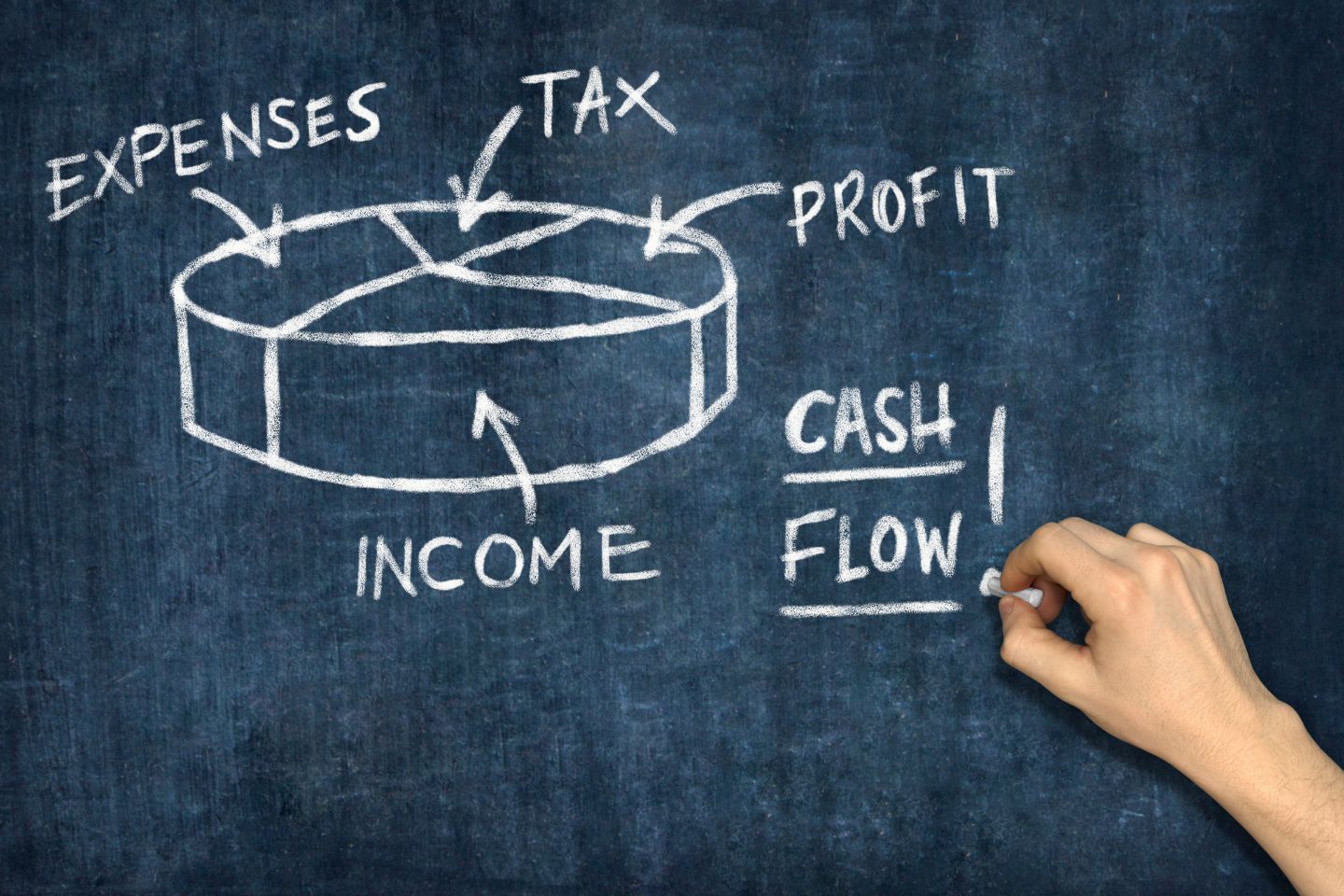
Cashflow forecasting. Profit on paper doesn't pay wages. Knowing what your cash position looks like 90 days out is what stops a good month turning into a tight one.
Business advisory. This is the conversation about margins, pricing, and whether your business model actually works. It's the part compliance-only firms skip, and it's often where the real money is made or saved. As the decisions get bigger, a virtual CFO or business advisor earns their fee many times over.
Specialist advice. Depending on what you do, you might need specific expertise. Property is the classic example: finding the best accountant for property investment means someone who understands structures, entities, and the rules that apply to rental and development income, not a generalist guessing.
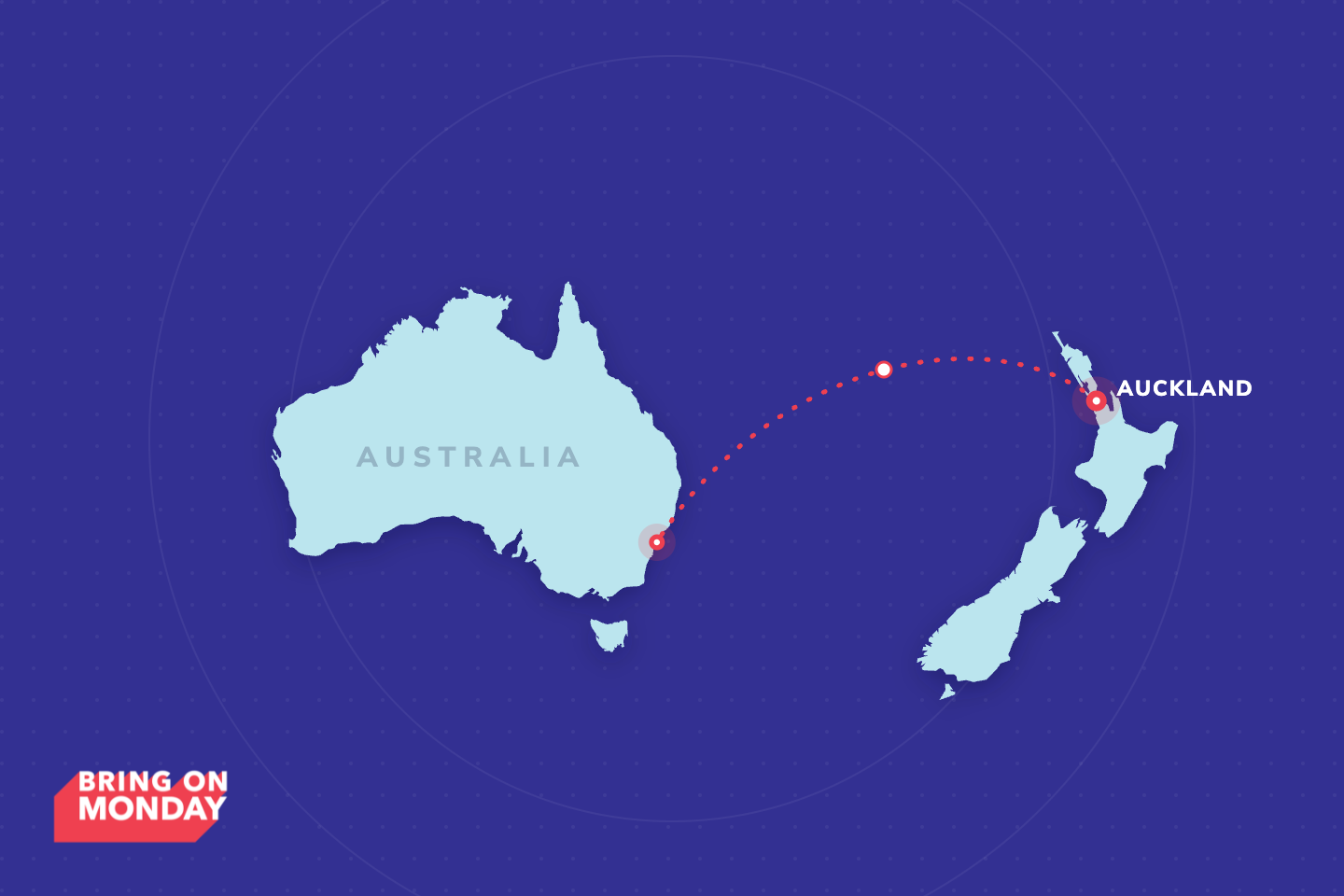
You no longer need an accountant down the road with a filing cabinet. Most accounting firms in New Zealand now work in the cloud, built around Xero, which means the whole list above can be delivered remotely, wherever you are.
For small business accounting in New Zealand, that's a real shift. Online accountants for small business can keep your books current in real time, share live numbers with you whenever you want them, and charge a fixed monthly fee instead of a mystery hourly rate. Because the work happens remotely, you're not helping to pay for a physical office, the daily commute, and all the overheads that come with a traditional firm. You're paying for the work itself, not the building it's done in. You get more contact through the year, not just a records request.
The thing to watch is that "online" and "cheap" aren't the same as "good." The delivery being remote doesn't change what you should expect: someone who understands your business, explains your own numbers back to you clearly, and picks up the phone when something looks off.
If you're not sure what you need right now, use this rule of thumb. Start with the compliance essentials done properly: bookkeeping, GST, year-end accounts, tax, and payroll if you have staff. Add clean monthly bookkeeping and reporting as soon as DIY is costing you more time than it saves. Bring in advisory the moment the decisions you're making are worth more than the fee.
For most growing NZ businesses, that last moment arrives sooner than expected. If you want a deeper walkthrough on how these services fit together and how to choose a provider, our complete guide to accounting and bookkeeping services covers it in full.
If you'd rather just talk it through, that's the fastest way to get clarity on what you actually need. Take a look at how our accounting works, and we'll help you sort the essentials from the extras, no pressure and no jargon.























.png)

.png)

.jpg)


.png)


If after three months we haven’t made your business life easier, we’ll donate your subscription fees to a New Zealand charity of your choice. Because we back what we do — and we believe you should feel the difference.