Danny Pritchard
April 16, 2026

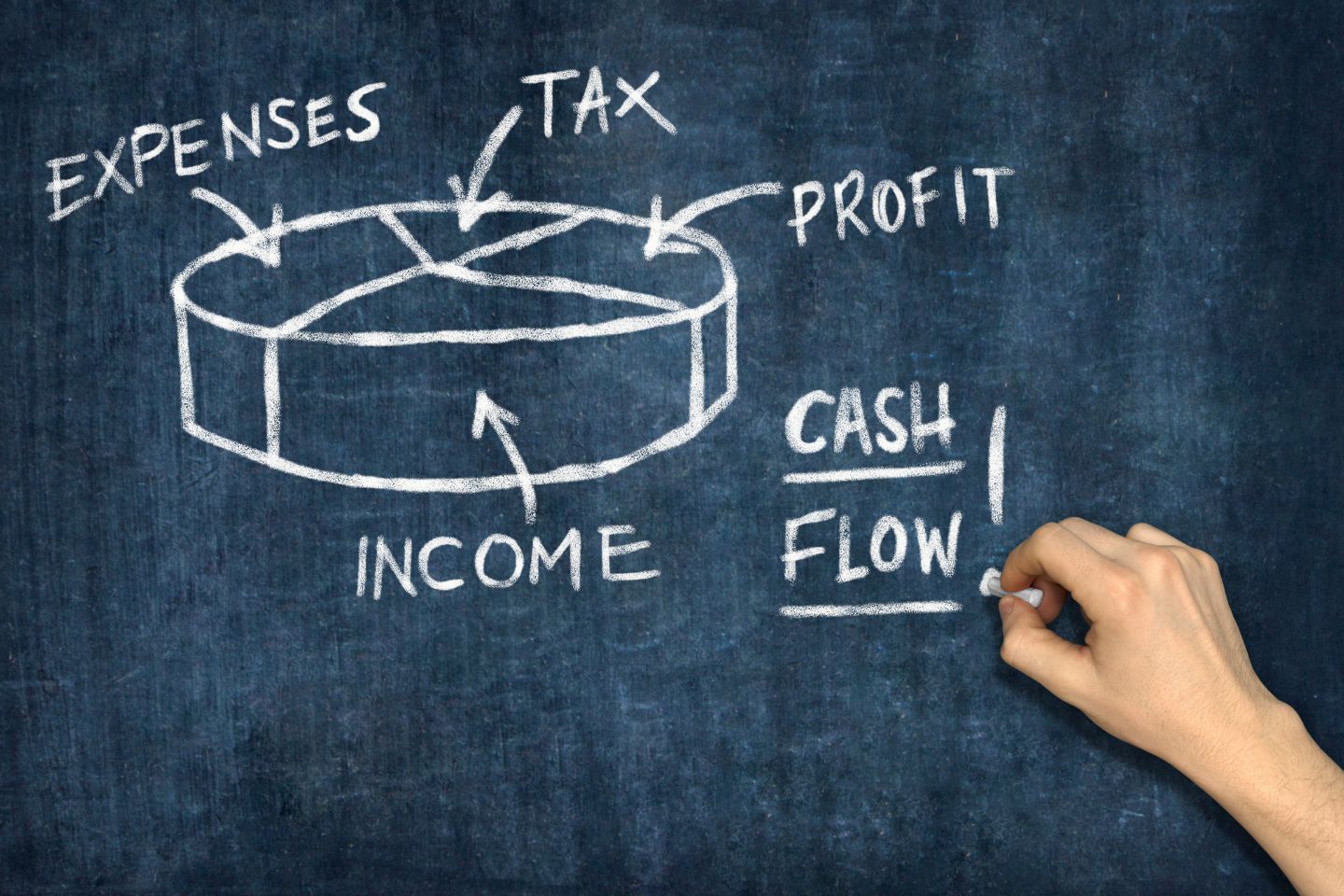
Your profit and loss (P&L) shows what you've earned and what you've spent, but it doesn't show you what's sitting in your bank account. That's the job of your cash flow.
The gap between those two things? That's where the confusion lives.
You can be "profitable" on paper while cash is tied up in stock, debtors, tax obligations, or loan repayments. The money exists, it's just not liquid, not accessible, and not in your account when you need it.
Let's break down some of the most common culprits.
Debtors (people who owe you money)
If you're invoicing customers and giving them 30, 60, or even 90 days to pay, you've already earned that revenue on your P&L, but you haven't actually received the cash yet. If your debtor book is growing, your "profit" is growing too, but your bank balance isn't keeping up.
Stock
For product-based businesses, buying stock is a cash outflow that doesn't show up as an expense until the stock is sold. So if you're holding a lot of inventory, you might look profitable but have a significant chunk of your cash sitting on a shelf.
Tax (GST and income tax)
This one catches people out constantly. GST you collect isn't your money. It belongs to Inland Revenue. If you're not setting it aside separately, it's easy to spend it without realising. Same goes for provisional tax. You might have had a great year, which means a bigger tax bill is coming. If you haven't been planning for it, that bill hits hard.
Loan repayments
Principal repayments on a loan don't show up as an expense on your P&L, but they absolutely come out of your bank account. So your business can look profitable while a significant chunk of cash is going straight to servicing debt.
Owner drawings
If you're drawing more cash out of the business than the after-tax profit supports, you'll erode your cash position over time, even if everything looks fine on paper.
Because cash is what keeps the lights on. You can't pay wages with profit. You can't pay rent with a healthy-looking P&L. You can't keep the doors open on accounting profit alone.
Businesses don't fail because they're unprofitable. Plenty of profitable businesses have gone under because they ran out of cash at the wrong moment. That's the reality, and it's why understanding your cash flow is every bit as important as understanding your profit.
The first step is understanding where your cash is going. Not just at a surface level. Genuinely pulling apart what's coming in, what's going out, and when. That timing piece matters more than most people realise.
A good business advisor will help you:
Break down where cash is actually going, identifying whether the issue is debtors, stock, tax, debt, or something else entirely
Spot the pressure points: the weeks or months where cash gets tight, and what's driving that
Build a plan so your business starts generating real, usable cash, not just accounting profit
This isn't about complicated spreadsheets or financial jargon. It's about getting clear on a handful of numbers so you can make better decisions and stop being surprised by your bank balance.
Invoice faster. The sooner you invoice, the sooner the clock starts on when you get paid. Don't let completed work sit in a pile waiting to be invoiced.
Tighten your payment terms. If you're giving 60 days, consider moving to 30. If you're on 30, consider 14. Every day earlier you get paid is a day your cash position improves.
Separate your tax money. Set up a dedicated account and move a percentage of every payment you receive straight into it. When GST or provisional tax comes due, the money is already there.
Look at your debtor book. Who owes you money right now? How old are those invoices? Follow up early and follow up consistently.
Get a cash flow forecast. Even a simple 13-week cash flow forecast will change how you see your business. It takes the guesswork out and shows you exactly what's coming.The bottom line
Profit tells you if your business model works. Cash tells you if your business survives.
If you're profitable but constantly cash-stressed, something in the gap between those two things needs attention. The good news? It's almost always fixable once you can see it clearly.
That's exactly the kind of work we do at Bring On Monday. We help business owners understand what's really happening in their numbers and build a plan to fix it.
If you're tired of wondering where the money went, let's have a chat. It usually only takes one conversation to start seeing things differently.























.png)

.png)

.jpg)


.png)


If after three months we haven’t made your business life easier, we’ll donate your subscription fees to a New Zealand charity of your choice. Because we back what we do — and we believe you should feel the difference.