Kirsten Nicol
April 8, 2026

A business advisor is part strategist, part translator, part accountability partner.
Not the “here’s a 40-page plan you’ll never open again” type.
A good advisor helps you make sense of your numbers (without the jargon), pressure-test big ideas before they cost you time and cash, spot risks early (cashflow, pricing, capacity, debt), turn goals into a simple, practical plan, and stay on track when things get busy.
At Bring On Monday, we keep it simple, practical, with zero fluff - because you don’t need more noise. You need clarity and next steps.
Here are the “big decision” moments we see all the time - and how the right support changes the outcome.
An advisor helps you model the real cost of hiring (not just wages), map out capacity, and decide what needs to happen first so you’re not hiring in panic mode.
Most owners undercharge because they’re guessing. A business advisor helps you work backwards from profit targets, costs, and cashflow so pricing becomes a decision, not a hope.
A sounding board stops shiny-object expansion. You’ll look at demand, margin, timing, and what it does to your team and systems - before you jump.
This is where advisory gets real. You can be flat out and still leaking profit. A business advisor helps pinpoint what’s driving (or killing) margin - and what to change first.
Whether you’re building a buffer, reinvesting, paying down debt, or paying yourself more - you want the decision to match your goals, not your stress level.
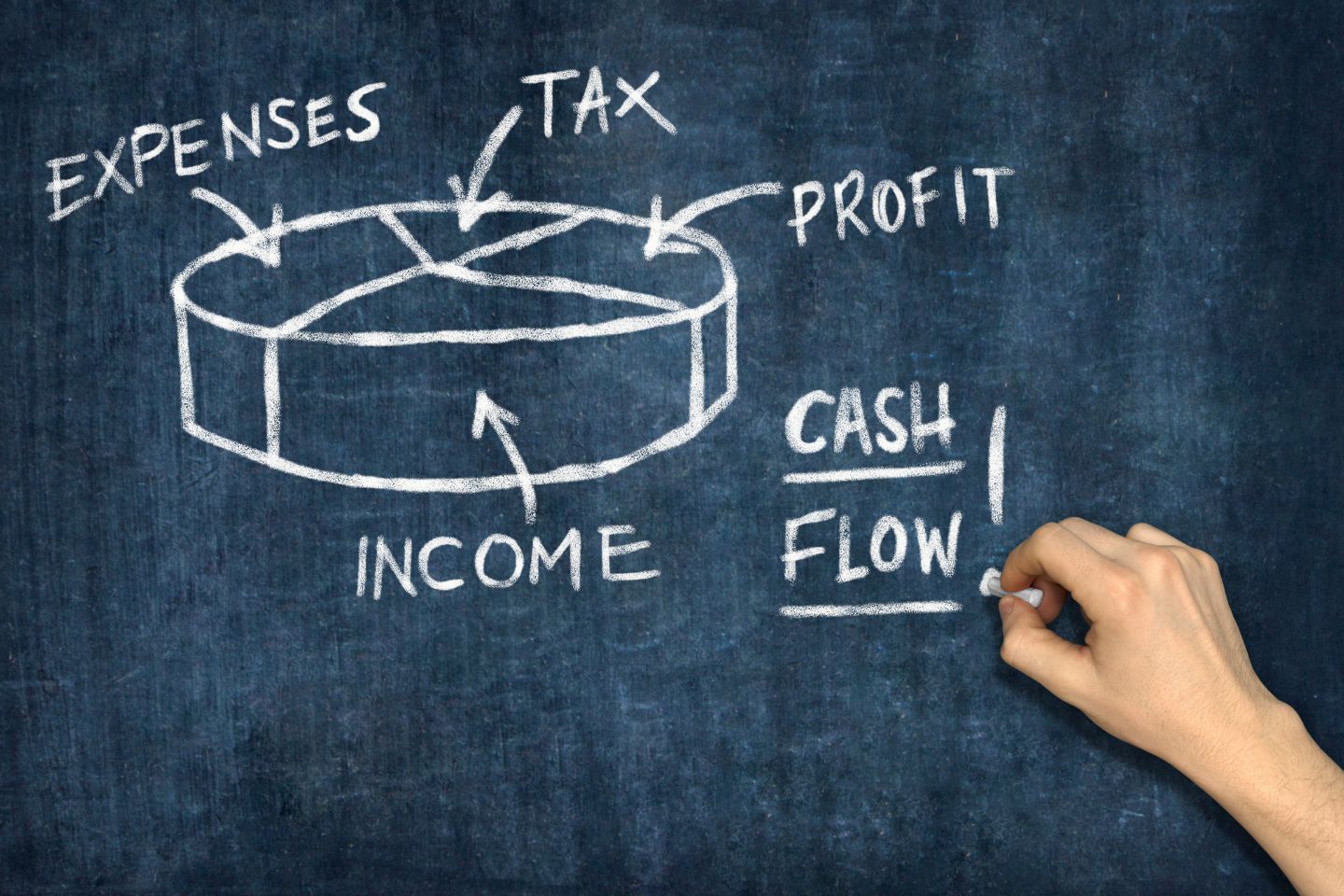
Profit and cash are not the same thing. You can be “profitable” on paper while cash is tied up in stock, debtors, tax, or loan repayments.
A business advisor helps you break down where the cash is actually going, identify pressure points, and build a plan so the business starts generating real, usable cash, not just accounting profit.
Not every advisor is a fit - and that’s okay. Here’s what to look for: someone who listens first (instead of jumping to a template), can explain the numbers in plain English, stays practical with real steps (not theory), will challenge you (nicely, but firmly), follows through with accountability, and has seen enough businesses to spot patterns quickly.
If you finish a session feeling clearer, calmer, and confident about your next move - that’s a good sign.
A business development advisor is typically focused on growth through sales, partnerships, pipelines, and market opportunities.
A business advisor can cover that too - but often has a broader view: pricing, profit, cashflow, operations, and strategy.
If you want growth that doesn’t blow up your team (or your sanity), the broader view matters.
To become a business advisor you need strong foundations in finance, strategy, and operations. You need people skills (because businesses are people), real-world experience across different industries and stages, and you need the ability to simplify complex problems fast.
In NZ, you’ll often see business advisor roles in house in accounting/advisory firms, consultancies, banks, and independent practices. Often these are large businesses with corporate budgets.
That’s why we’ve built BOM differently (yep, remotely too) - so more Kiwi businesses can get the support of a business advisor, without the big-firm price tag or the fluff.
We help NZ business owners put money back in their pockets and time back in their calendars. This isn’t generic advice - it’s personalised support that works. You’ll leave sessions with clarity, confidence, and next steps that actually move the needle.
If you’re ready for a trusted sounding board for big decisions (and a plan that’s actually doable), let’s talk.
Talk to a BOM business advisor today.





















.png)

.png)

.jpg)


.png)


If after three months we haven’t made your business life easier, we’ll donate your subscription fees to a New Zealand charity of your choice. Because we back what we do — and we believe you should feel the difference.