Kirsten Nicol
February 26, 2026

For businesses wanting to legally minimise their tax, get clear on finances and know how much they can safely take out of their business, we suggest that smart tax planning is part of your business strategy, especially when it comes to growth. So instead of tax being an afterthought, let us help you bring it to the top of your list so that you have financial clarity and confidence, not only for the end of this financial year but also going into the new financial year! We’ve even included a handy end of financial year checklist to minimise your tax, so keep reading!
First up, just as a refresher let's take a quick look at what tax planning actually is. Tax planning is the proactive structuring of your business (including those financial decisions) to legally reduce your tax liabilities, whilst staying fully compliant with Inland Revenue.
We make time for tax planning because it allows us (business owners) to make intentional decisions instead of reactive ones so there’s no surprises at the end of each financial year.
Making time for this means that you:
The important part to note! There’s a clear difference between tax planning and tax avoidance.
Tax planning is legal, transparent, based on current NZ legalisation, structured and documented, and designed with long term sustainability in mind.
Tax avoidance is high risk, often has artificial or aggressive arrangements, is designed to purely reduce tax and is often challenged (with good reason) by IRD.
Good business owners want certainty, stability and clarity, without any risk hanging over their heads! This is why proper tax planning and management throughout the year (and even now) is important. It’s why we are here to help!
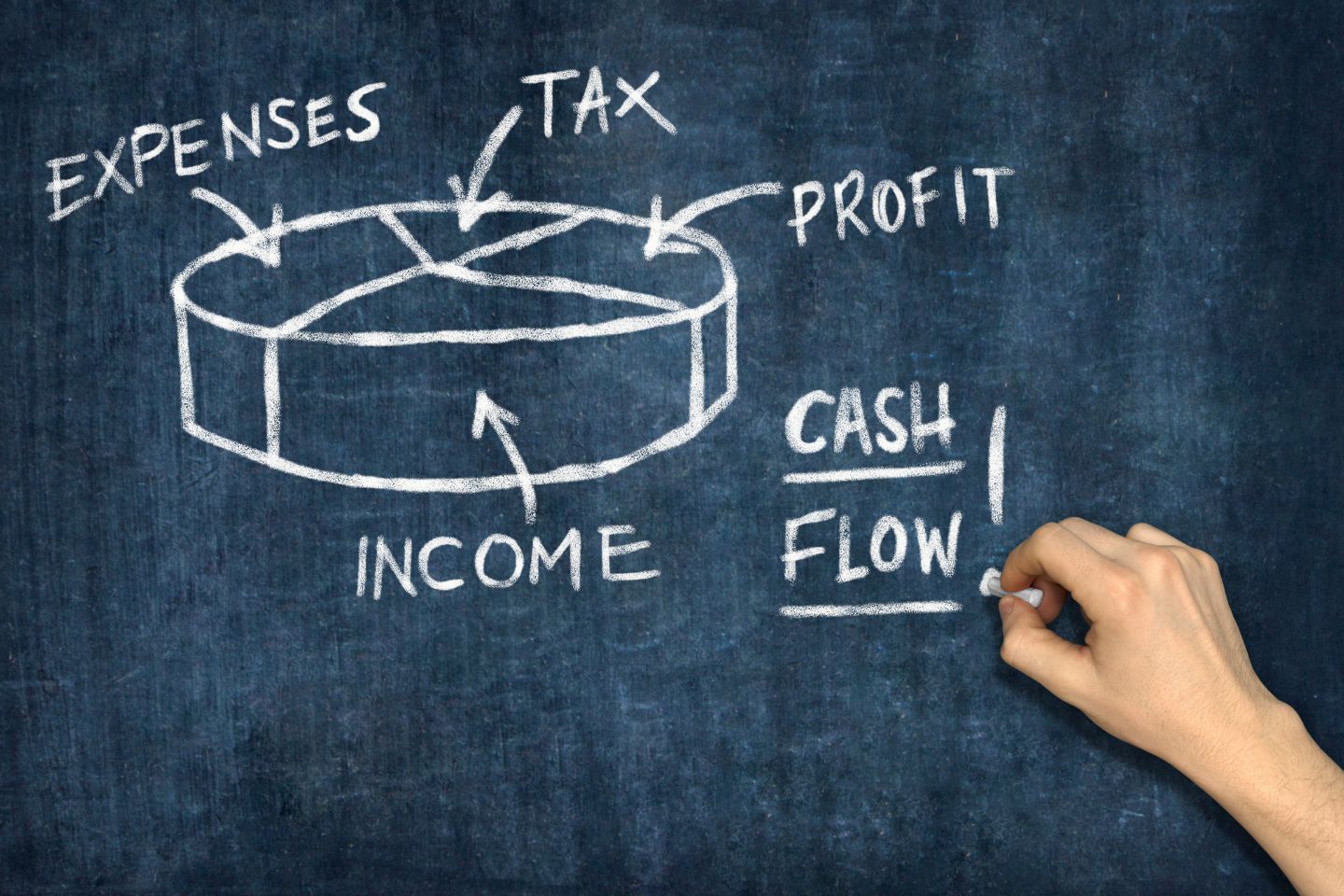
Profit does not equal cash. One of the biggest issues we see is when profitable businesses are caught short at provisional tax time. The goal here is simple - you don’t want any scary bills from IRD! To avoid this, smart tax planning would look at accurate forecasting, setting aside monthly funds, adjusting shareholder salaries strategically and reviewing drawings vs retained earnings.
How your business is structured directly impacts how much tax you pay, how you pay yourself, and how protected you are as you grow.
As profits increase, the structure that worked when you started often stops being the most efficient.
A key part of this is managing shareholder drawings properly. If shareholders take out more than they should and their accounts sit in the negative, this can:
Smart tax planning means keeping shareholder accounts clean. And if they are overdrawn, we put a clear plan in place to tidy them up early, before it becomes expensive.
The Investment Boost means that New Zealand businesses can claim back an immediate 20% deduction for the costs of new (or new to New Zealand) business assets that they bought - or finished constructing - on or after 22 May 2025.
Investment Boost is a form of accelerated depreciation. It does not change the total value of deductions you claim over the lifetime of an asset. However, it does mean you can claim a greater deduction in the 1st year. This means you pay less tax in that year. Win!
You can learn more here.
If you are building your business, strong tax and estate planning should begin long before you plan to sell (or transition). Doing this well would include: reviewing the ownership structure correctly, reviewing trusts and shareholdings, considering succession pathways and also planning for intergenerational wealth transfer. The earlier this is addressed, the more flexibility you retain.
Sound complicated? Remember we can help!
New Zealand does not have a broad capital gains tax, but certain transactions can still create tax consequences. For example: property acquired with the intention of resale, or asset sales within short timeframes.
Business owners considering growth, restructure, or exit, should understand how potential labour capital gains tax plans or future legislative changes could affect long-term strategy. Waiting until sale time is often too late to optimise position.
Too many businesses treat tax as a compliance tick box exercise that ends in a mad panic and rush at the end of financial year. It doesn’t have to be this way!
Smart tax planning and management is ongoing. Proactive bookkeeping and financial management services can help you keep accurate records, monitor cash flow, and make informed decisions throughout the year.
It should be reviewed quarterly, when profit shifts significantly, before any major investments, and before restructuring.
The more complex your business becomes, the more strategic tax planning needs to be. That’s why smart tax planning (with the help of the right accounting team) is key!
Here’s some things to start thinking about, and prepare for your accountant ready for the end of financial year...
1. Do any of your invoices need to be written off as your customer/client is no longer going to pay you? (This brings your expenses up and your profit down, reducing final tax).
2. Do you have stock? Complete your end of year stock take and be sure to write off any obsolete/damaged stock. (When you write off obsolete inventory, this increases your cost of goods sold and lowers your taxable income. Therefore your tax bill is reduced as well!).
3. Have you completed your annual home office calculation? (This allows you to claim some home office costs and brings your profit down, decreasing final tax).
4. The low value asset threshold is $1k, so get any minor asset purchases before the EOFY to decrease your profit and tax. (Don't buy assets you don't need though).
5. Are there any bank or credit cards not showing in your accounting software? Or business expenses paid from a personal bank account that aren’t showing up? (You may be missing claiming expenses. Double check!)
6. Have you made any donations that you need to let your accountant know about? (Let them know now to avoid delays!)
7. Review shareholder current accounts. (If drawings are sitting in the negative, have a plan in place before year end to avoid unnecessary interest costs.)
8. Consider the timing of income and expenses. (Can any income be legitimately deferred, or expenses brought forward, before the balance date?)
9. Review provisional tax. (Make sure you’re not significantly overpaying and possibly giving IRD an interest-free loan.)
The goal here isn’t just reducing your tax bill. Smart, proactive tax planning will enable you to know:
Good tax planning frees up cash earlier. If you’re not overpaying provisional tax, that money can sit in your offset account, reduce debt, earn interest, or even be reinvested for growth!
If you're looking for proactive online accountants for NZ businesses, our team can help you plan ahead, improve cash flow, and build a tax strategy that supports your long-term business goals.
If you’re serious about proactive tax planning and management, not just compliance - let’s talk. (We don’t charge for an initial chat!).
Book a tax planning review with Bring On Monday.






















.png)

.png)

.jpg)


.png)


If after three months we haven’t made your business life easier, we’ll donate your subscription fees to a New Zealand charity of your choice. Because we back what we do — and we believe you should feel the difference.